
Community Gardening Tips for Successful Harvests.
You don’t need to be a master gardener to grow something great. This section is for anyone who’s ever googled “why is my plant dying?” or wondered if they’re watering too much (or too little). We’re sharing the tricks, shortcuts, and simple wins we’ve picked up along the way—mistakes included. Grab your gloves, and let’s figure it out together.
There are more detailed tips in our Blog. Click below for more "Not a Pro Gardener" Information.
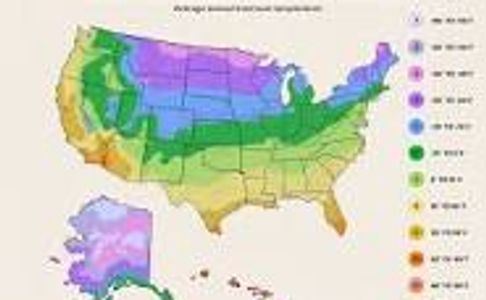
Planting Zones.
First things first, Know what zone you are in. Your planting zone will make huge difference in the success of your plants. The USA is divided into 13 zones, ranging from Zone 1 (the coldest) to Zone 13 (the warmest). Each zone represents a 10°F range of average minimum winter temperature. The zones are further divided into "a" and "b" subzones, which represent a 5°F difference. For example, Zone 6a is colder than Zone 6b. If you are planting outdoors and from seed, we highly recommend checking the back of your seed packet for suggested zone and timing for planting. A plant labeled for a specific zone can be expected to survive the coldest temperatures of that zone. If a plant description lists a range, such as "Zones 3-8," it can tolerate the winter temperatures in any of those zones.
Find your zone here: planthardiness.ars.usda.gov

Start Simple.
A few simple edible plants you can get started with and easily grow in pots ( if you dont want to commit to a garden plot) are grape tomatoes, mini bell peppers, banana peppers, lettuce and herbs.
Surprisingly, lettuce only needs a 6" deep pot as they have very shallow roots. The same goes for kale! Radishes can grow in a 4" pot.
If herbs is where your mind is going, mint is a great herb to get started with because it grows like a weed and is really easy to care for. Dont plant into the ground, it will take over everything! Just keep your mint hydrated. Basil is fairly easy to grow as well as cilantro, rosemary and thyme.
The Early Gardener: Planning Your Spring Garden In January.

Just because it’s still chilly outside doesn’t mean you can’t start dreaming about your spring garden! January is actually the best time to start planning. Here’s why it matters—and how you can make it fun and easy.
Why Plan Now?
A little planning goes a long way in gardening. Starting now gives you plenty of time to decide what you want to grow, where you’ll put everything, and when you should plant. You’ll also avoid the last-minute spring rush and make sure you don’t miss any important dates. Let’s get started!
Think About Last Year.
Think About Last Year.
What did you plant before? What worked? What didn’t? Jot down a few notes—these will help you make even better choices this year.
If this is your first time planning a garden plot, don’t worry—you’re not alone! Ask fellow gardeners for tips, or just hop on Google for ideas and advice.
Pick Your Plants.
Check Planting Dates.
Think About Last Year.
Make a list of your favorite veggies, fruits, or herbs. When you’re choosing, think about what grows well where you live and what you actually like to eat!
Draw a Simple Map.
Check Planting Dates.
Check Planting Dates.
Sketch a quick layout of your garden. Think about how big your plants will get, which ones like to grow together, and how to use your space wisely.
Check Planting Dates.
Check Planting Dates.
Check Planting Dates.
Look up when you should plant each thing on your list. Use the planting calendar in the main menu to find the best times for your area and to see what you can start indoors.
Order Seeds or Seedlings.
Get Your Tools and Soil Ready.
Get Your Tools and Soil Ready.
Once you have your plan, it’s time to shop! Order seeds or buy healthy seedlings from local stores or trusted websites. Try to pick organic and non-GMO if you can.
Get Your Tools and Soil Ready.
Get Your Tools and Soil Ready.
Get Your Tools and Soil Ready.
Make sure your gardening tools are clean and sharp. If you want, test your soil (your local extension office can help) to see if it needs any extra nutrients. Add compost or other natural goodies if needed.
Gardener’s Tip.
Get Your Tools and Soil Ready.
Gardener’s Tip.
Try moving your crops around each year (called crop rotation) to keep your soil healthy and help avoid pests.
Make notes of wins and losses to help with planning next year.
Hydrate. DON'T Overwater!
Watering Schedule & Technique
- When: Early morning (5 a.m. - 10 a.m.) is best to minimize evaporation and allow leaves to dry. Avoid evening watering to prevent fungal issues.
- How Much: Water deeply (soil wet 4-6 inches down) rather than a light sprinkle. Aim for about 1 inch of water per week, adjusted for weather.
- How Often: Less frequently but more deeply promotes drought-tolerant, deep root systems.
- Where: Apply water directly to the soil at the plant's base to feed roots and prevent leaf diseases.
Overwatering means drowning plant roots by saturating soil, cutting off oxygen, leading to root suffocation, rot, and yellow, droopy, or mushy leaves, wilting, and leaf drop, often signaled by wet soil and fungus gnats, requiring you to check soil moisture (finger test) and ensure drainage for healthy root function.
Attract Pollinators.
To attract pollinators, plant a diverse garden with native, colorful flowers (blue, purple, yellow for bees; red, pink, orange for butterflies/hummingbirds) that bloom from spring to fall, offering continuous nectar and pollen. Provide water, shelter (brush piles, bee boxes), and host plants for larvae, while avoiding pesticides and creating large clumps of single species for easy foraging, ensuring a year-round habitat with food, water, and shelter for diverse pollinators.
Choose Natives: Local pollinators prefer native plants.
Variety is Key: Mix annuals, perennials, shrubs, and trees for different bloom times.
Color & Shape:
Bees: Blue, purple, yellow, white; tubular, bell-shaped flowers.
Butterflies: Red, orange, pink, yellow; flat-topped or clustered flowers.
Hummingbirds: Red, pink, orange; tubular flowers.
Fragrant Herbs: Lavender, sage, oregano, basil attract many.
Host Plants: Include milkweed (Monarchs), parsley (Swallowtails) for caterpillars.
Enrich Your Soil.
Conducting a soil test can work wonders. It will let you know what, if anything, your soil is lacking or needs more of. If you don't have good soil, your harvest will suffer. You can get soil tests kits at garden stores, Amazon or find your local Cooperative Extension Office and submit the sample for them to process. Once you know the results you can adapt your soil. Here are some general tips for healthier soil.
- Add compost: Compost is considered the "gold standard" of soil amendments for all soil types. You can either make your own or purchase products like Miracle-Gro Garden Soil All Purpose or Earthgro Organic Garden Humus and Manure.
- Grow cover crops: Plant cover crops, also known as "green manure," during the offseason to protect the soil from erosion and add nutrients. Options include crimson clover, vetch, and ryegrass.
- Minimize tilling: Excessive tilling disrupts the soil's structure and harms the beneficial microbial life.
- Use mulch: Apply a 2-inch layer of organic mulch, such as shredded leaves or straw, to retain moisture, suppress weeds, and add organic matter as it decomposes.
Tips for Fall Gardening.
- Start with Transplants: For some vegetables, starting seeds indoors and transplanting them outside in October is a great strategy.
- Plant in Succession: Plant seeds for some crops, like lettuce and spinach, every one to two weeks to extend your harvest.
- Use a Cold Frame: Cold frames can help protect young plants and extend the season for salad greens like lettuce.
- Know Your Harvest Time: Look for varieties with short "days to maturity" to ensure you can harvest before the first hard frost.
- Protect & Mulch: several inches of organic mulch (leaves, bark) to insulate roots, conserve moisture, and prevent soil erosion.
When to Move Plants to Bigger Pots.

Move vegetable seedlings to bigger pots when they have their first set of true leaves, roots start emerging from drainage holes or circling the soil, the plant dries out quickly or wilts despite watering, or they seem top-heavy, generally after 3-5 weeks in starter trays. Always use a pot only 1-2 inches larger than the previous one to prevent soil from staying too wet, and transplant in the morning or on a cloudy day for less stress.
Key Signs It's Time to Pot Up:
Roots: Roots peeking from drainage holes or forming a dense mat.
Leaves: Second set of "true leaves" (not the initial cotyledons) have developed.
Watering: Plant wilts quickly or soil dries out much faster than before.
Growth: Plant looks top-heavy or growth has slowed.
How to Pot Up:
Water First: Water the seedling well before moving.
Gentle Removal: Carefully tip the pot and ease the root ball out, supporting the plant.
Prepare New Pot: Add an inch or two of fresh potting mix to the new, slightly larger pot.
Place & Fill: Set the seedling in the new pot at the same depth, then add soil around it.
Water In: Water gently to help it settle.
Timing Tips:
Spring: Ideal for transplanting as plants are actively growing.
Morning/Cloudy Day: Best for moving to reduce transplant shock.
12 Plants to Grow for Birds and Wildlife in 2026.

11 Herbs That Are Perfectly Happy Living In Water.

Not all herbs love soil — some thrive in nothing but water and keep growing all year long.
This is ideal if you don't have space or a garden at all.
If you love fresh herbs but don’t want the mess of soil, pests, or seasonal limits, water-grown herbs are a game changer. With just a glass jar, clean water, and good light, these herbs can grow continuously right on your kitchen counter.
Mint
A fast grower that loves bright, indirect light and cooler rooms. Great for teas, drinks, and desserts.
Basil
Thrives with 6+ hours of bright sunlight. Best during warm months and perfect for fresh cooking.
Sage
A sun lover with woody stems that root slowly — but once established, it’s incredibly hardy.
Oregano
Prefers warmth and bright sun. A classic kitchen herb that adapts well to water growth.
Thyme
Compact, fragrant, and ideal for small spaces with bright indirect light.
Rosemary
Needs 6–8 hours of sun and patience. Roots slowly but thrives long-term once settled.
Lemon Balm
Roots quickly in bright light and is perfect for calming teas.
Chives
Love bright light and cooler air — easy, reliable, and great for beginners.
Cilantro
Prefers cooler temperatures and indirect light, making it a winter favorite.
Lavender
Needs full sun and frequent water changes, but rewards you with fragrance and beauty.
Parsley
Bright sun and steady warmth make this an easy and productive choice.
Pro Tip:
Change the water every 3–4 days and use a clear glass so you can watch the roots grow — healthy roots mean healthy herbs!
Fresh herbs, zero soil, and year-round growth — sometimes simple really is better.